Introduction to the Arctic Circle
The Arctic Circle is one of the most remarkable geographic boundaries on Earth. Located at approximately 66.5° north latitude, it marks the southern limit of the region where, at least once each year, the sun can remain above the horizon for 24 hours and, during another period, remain below it for a full day.
The Arctic Circle crosses several countries, including Norway, Sweden, Finland, Russia, Greenland, Iceland, Canada, and the United States. In Norway, it passes through the northern part of the country, creating a natural gateway to the Arctic region.
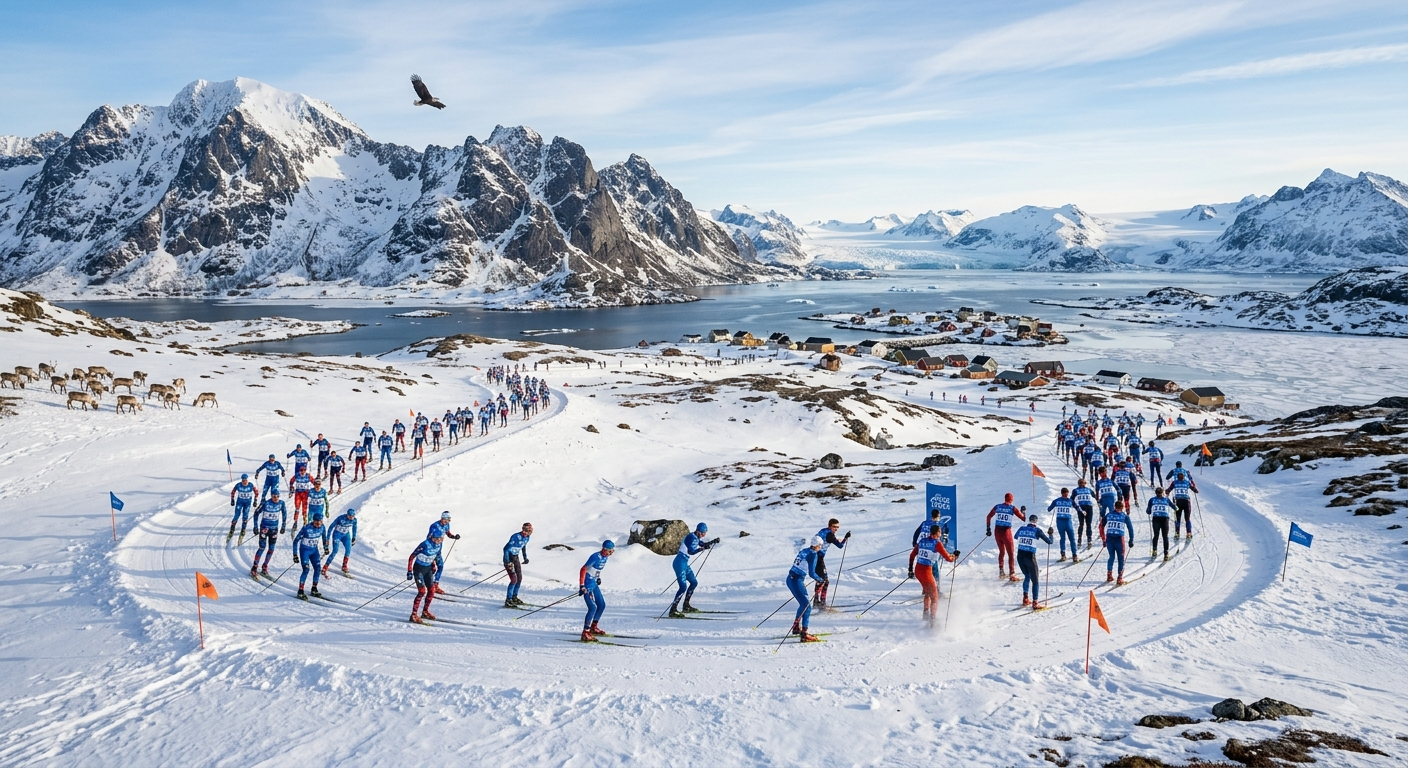
For travelers interested in the “Arctic race of Norway,” the phrase often evokes the country’s dramatic Arctic setting, outdoor endurance culture, cycling and sporting events, and the remarkable landscapes found above the Arctic Circle. Norway offers an especially accessible introduction to the polar region, combining modern communities with mountains, fjords, tundra, islands, and frozen seas.
The Arctic Circle is important not only because of its unusual geography but also because it is a sensitive environmental zone. Changes taking place here provide valuable evidence about the changing climate of the planet.
Geography and Climate of the Arctic Circle
A Landscape Shaped by Ice and Time
The Arctic region is far more diverse than a landscape covered entirely in snow. It includes rugged mountains, coastal cliffs, glaciers, tundra, wetlands, islands, fjords, and vast areas of ocean.
Northern Norway is particularly famous for its combination of steep mountains and deep coastal fjords. The landscape can change dramatically within a short distance, from sheltered villages and green valleys to exposed plateaus and snowy peaks.
Sea ice is another defining feature of the wider Arctic environment. Although much of the permanent ice is found farther north, seasonal ice influences ocean conditions, wildlife, transportation, and local communities.
Extreme Temperatures and Unusual Seasons
The Arctic climate is characterized by long, cold winters and short summers. However, conditions vary considerably depending on latitude, altitude, proximity to the ocean, and local geography.
Norway benefits from relatively mild coastal conditions compared with many other locations at similar latitudes. Ocean currents help moderate temperatures along the coast, although winter storms, snow, strong winds, and rapidly changing weather remain important considerations.
One of the most fascinating features of the Arctic Circle is the seasonal change in sunlight.
Polar Day and Polar Night
During summer, areas north of the Arctic Circle experience the midnight sun. The sun can remain visible around the clock for a period that becomes longer as one travels farther north.
Winter brings the opposite phenomenon: the polar night. The sun remains below the horizon for an extended period, although darkness is not necessarily complete throughout the day. Twilight can create beautiful colors across the southern horizon.
These unusual cycles of light and darkness have influenced Arctic lifestyles for generations.
Wildlife and Ecology
The Arctic ecosystem supports animals that have evolved to survive freezing temperatures, limited food supplies, seasonal darkness, and long periods of daylight.
Polar Bears and Arctic Foxes
Polar bears are among the best-known animals associated with the Arctic. They depend heavily on sea ice for hunting seals and are therefore particularly vulnerable to changes in the frozen marine environment.
Arctic foxes have a different survival strategy. Their thick fur provides insulation, while seasonal changes in coat color help them blend into their surroundings. They can survive in harsh conditions where food may be scarce.
Reindeer, Seals, and Whales
Reindeer are deeply connected to the Arctic landscape and to the cultural history of northern communities. Their ability to travel across large areas in search of vegetation makes them well adapted to seasonal conditions.
The Arctic seas support several species of seals and whales. Coastal waters around Norway can become important feeding areas for marine mammals, while seasonal movements bring different species into northern waters.
Migratory birds are also a major part of Arctic life. Large numbers of birds travel north during spring to take advantage of abundant summer food and long daylight hours.
Each species has developed specialized adaptations, including insulating fur, layers of body fat, seasonal migration, specialized feeding behaviors, and efficient ways of conserving energy.
People and Life in the Arctic
The Arctic is not an empty wilderness. It is home to communities with long histories of adapting to northern environments.
Indigenous Communities and Traditional Knowledge
The Sámi people are one of the Indigenous peoples of northern Europe, with traditional homelands extending across parts of Norway, Sweden, Finland, and Russia.
Reindeer herding is an important part of Sámi cultural heritage, although Sámi communities today live diverse modern lives and work in many different professions. Traditional knowledge of weather, landscapes, animals, plants, and seasonal patterns remains valuable.
The relationship between people and the Arctic environment is built around adaptation. Fishing, hunting, reindeer herding, trade, tourism, and modern industries have all played roles in northern economies.
Today, Arctic communities also face challenges involving infrastructure, changing weather patterns, economic opportunities, rising costs, and environmental change.
Climate Change in the Arctic
The Arctic is experiencing some of the most noticeable effects of global climate change. Temperatures are rising, sea-ice conditions are changing, glaciers are retreating in many areas, and ecosystems are responding to shifting environmental conditions.
Why Melting Sea Ice Matters
Sea ice provides habitat and hunting platforms for animals such as polar bears and seals. It also affects ocean circulation, marine ecosystems, and the exchange of heat between the atmosphere and ocean.
As the Arctic warms, reduced ice cover can create a chain of ecological effects. Species may alter their migration routes or feeding patterns, while animals that depend on specific ice conditions can face increasing pressure.
Changes in the Arctic also matter far beyond the polar region. The Arctic climate interacts with global atmospheric and ocean systems, while melting land ice contributes to rising sea levels worldwide.
For scientists, the Arctic is therefore an important natural laboratory for understanding Earth’s changing climate.
Northern Lights and Other Natural Wonders
Aurora Borealis
The Northern Lights, or Aurora Borealis, are among Norway’s most famous natural attractions. They occur when charged particles from the sun interact with gases in Earth’s upper atmosphere, producing glowing curtains and arcs of light.
Northern Norway is a popular destination for viewing the aurora because of its high latitude and long winter nights. Clear, dark skies and low light pollution improve viewing opportunities, although the aurora can never be guaranteed.
Midnight Sun and Arctic Landscapes
The midnight sun offers an entirely different Arctic experience. During the warmer months, visitors can explore mountains, coastlines, and villages late into the evening under natural sunlight.
For photographers and outdoor enthusiasts, the combination of dramatic mountains, fjords, islands, snowfields, and unusual light makes northern Norway especially distinctive.
Visiting the Arctic Circle
Norway provides many opportunities to experience the Arctic without requiring an expedition into an inaccessible wilderness.
Popular destinations and areas include Bodø, Tromsø, Lofoten, Finnmark, and the North Cape region. Each offers a different perspective on northern landscapes and culture.
Experiences for Travelers
Depending on the season, Arctic travel can include:
- Northern Lights tours
- Dog sledding
- Reindeer and cultural experiences
- Wildlife watching
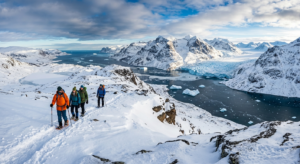
- Snowshoeing and winter hiking
- Skiing and snow activities
- Hiking beneath the midnight sun
- Scenic coastal and fjord journeys
Travelers should prepare carefully for changing weather. Warm, layered clothing, suitable footwear, weather-resistant equipment, and flexible plans are particularly useful.
Visitors should also respect local communities and wildlife. Keeping a safe distance from animals, staying on appropriate trails, reducing waste, and following local guidance help protect fragile environments.
Conservation and the Future
Protecting the Arctic Circle means protecting a connected system of land, ocean, wildlife, and human communities.
Wildlife conservation programs, climate research, marine monitoring, and responsible tourism all contribute to the long-term health of the Arctic ecosystem. Scientific observations from northern Norway and other Arctic locations help researchers understand changes in temperature, sea ice, glaciers, vegetation, and animal populations.
Sustainable tourism can also play a positive role when it supports local economies without placing excessive pressure on sensitive environments. Small-group experiences, responsible wildlife viewing, local guides, and environmentally conscious transportation can reduce some of the impacts associated with travel.
The future Arctic will likely look different from the Arctic known by previous generations. Some changes are already visible, while others will depend on global efforts to reduce greenhouse-gas emissions and protect natural systems.
Conclusion
The Arctic Circle is much more than an imaginary line at the top of the world. It is a region of extraordinary landscapes, unusual light, resilient wildlife, diverse cultures, and major scientific importance.
Norway offers one of the most accessible ways to experience this environment, whether through Arctic travel, wildlife watching, outdoor sports, the Northern Lights, or the quiet beauty of the midnight sun.
At the same time, the Arctic serves as an important warning system for a changing planet. Protecting its ecosystems, supporting northern communities, encouraging responsible tourism, and continuing scientific research will be essential. The future of the Arctic Circle is closely connected to the future of the wider world.
✍️ Written by Vimal Bhagat
🌎 Sharing fresh news, trending stories & interesting updates from around the world.
💙 Read more: arcticcircle.us