Introduction to the Arctic Circle
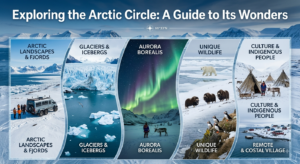
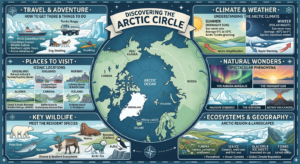
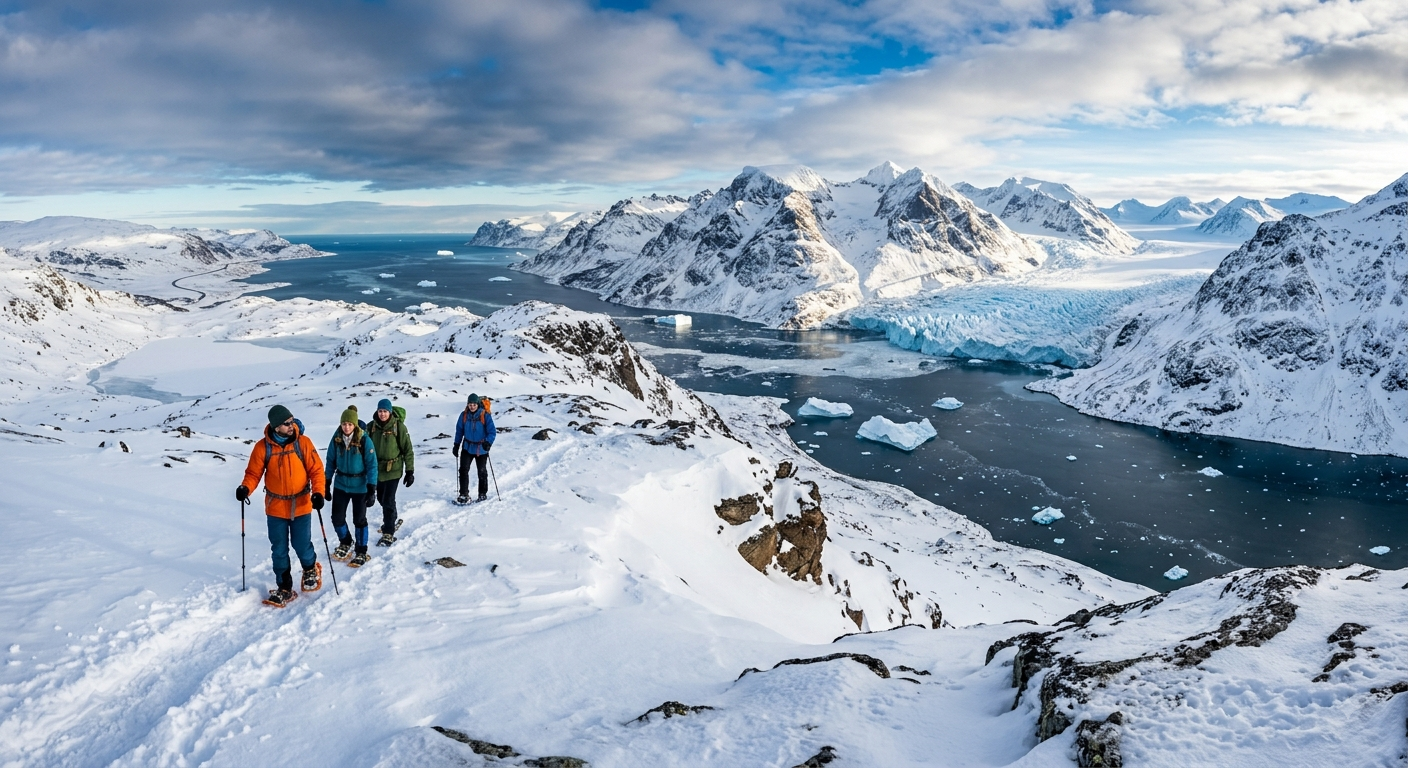
The Arctic Circle, a significant parallel located at approximately 66.5 degrees north latitude, is a region of breathtaking beauty and ecological diversity. This area is characterized by its stunning landscapes, which include polar ice caps, glaciers, and a vast array of wildlife, making it a unique place for exploration and research.
Wildlife and Ecosystems
The Arctic Circle is home to some of the most resilient species on the planet. Among them, you can find polar bears, seals, and a variety of seabirds. The harsh climate has led to the development of unique ecosystems that showcase the adaptability of life. The thriving marine life, including fish like cod and herring, plays a crucial role in the food chain and supports the livelihoods of many communities.
Climate Change and Its Impact
One cannot discuss the Arctic Circle without addressing the pressing issue of climate change. The region is warming at an alarming rate, leading to melting ice caps and rising sea levels. This not only affects global climate patterns but also threatens biodiversity and the traditional lifestyles of Indigenous peoples in the area. It is vital that we understand these changes and their potential consequences for our planet.
In summary, the Arctic Circle is a magnificent region that calls for exploration and understanding. Protecting its unique environment is crucial for maintaining the health of our planet.
The Unique Geography of the Arctic Circle
The Arctic landscape is shaped by cold temperatures, seasonal snow, ice, and powerful natural forces. Unlike the Antarctic, which is primarily a continent surrounded by ocean, much of the Arctic is an ocean surrounded by land.
The region includes the Arctic Ocean, extensive sea ice, tundra, glaciers, mountains, rivers, and wetlands. During the short summer, snow-covered landscapes can transform as plants emerge and migratory animals arrive.
Arctic Tundra
The tundra is one of the most recognizable Arctic environments. Trees are generally scarce because of the cold climate and short growing season. Instead, mosses, lichens, grasses, shrubs, and small flowering plants dominate the landscape.
Although the growing season is brief, the Arctic summer can be surprisingly productive. The abundance of plants and insects provides food for birds, herbivores, and predators.
Incredible Arctic Wildlife
The Arctic is home to animals that have developed extraordinary adaptations for surviving cold temperatures and seasonal changes.
Polar Bears
Polar bears are among the most famous inhabitants of the Arctic. They are closely associated with sea ice, which they use as a platform for hunting seals and moving across their environment.
Their thick fur and layer of body fat provide insulation against freezing conditions. Because of their dependence on sea ice, polar bears are also strongly affected by changes in the Arctic environment.
Arctic Foxes
The Arctic fox is another remarkable survivor. Its compact body helps reduce heat loss, while dense fur protects it from severe cold.
Its coat changes with the seasons, helping the animal blend into different environments. Arctic foxes are opportunistic feeders and can survive on a variety of food sources.
Reindeer, Caribou, and Other Animals
Reindeer and caribou travel across large areas in search of food. Their broad hooves help them move through snow and soft ground.
The Arctic seas are home to seals, walruses, beluga whales, narwhals, and bowhead whales. During summer, millions of migratory birds also arrive to take advantage of abundant food.
The Northern Lights
One of the greatest natural wonders of the Arctic is the Aurora Borealis, commonly called the Northern Lights.
The aurora occurs when energetic particles associated with solar activity interact with gases in Earth’s upper atmosphere. The result can be spectacular waves and curtains of light appearing across the night sky.
The colors and patterns of the aurora can change quickly. Green is particularly common, but pink, purple, red, and other colors may also appear.
Northern regions with long winter nights and relatively dark skies provide excellent opportunities for aurora viewing, although sightings always depend on weather and solar conditions.
The Magic of the Midnight Sun
The Arctic has another remarkable phenomenon: the midnight sun.
During summer, locations north of the Arctic Circle can experience days or weeks when the Sun does not completely disappear below the horizon. The farther north a location is, the longer the period of continuous daylight can last.
This unusual phenomenon changes everyday life. People can hike, photograph landscapes, explore communities, and watch wildlife late into the night without needing artificial light.
For visitors, the soft golden light around midnight can create memorable photographic conditions.
Indigenous Cultures of the Arctic
The Arctic is home to numerous Indigenous peoples with deep historical connections to the land and sea. Inuit, Sámi, Nenets, Chukchi, and other communities have developed cultures shaped by their local environments.
Traditional knowledge has played an important role in understanding weather, wildlife, sea ice, seasonal changes, and travel routes.
Modern Arctic communities combine these traditions with contemporary education, technology, transportation, and communication. Cultural tourism can provide visitors with opportunities to learn about local history, crafts, food, music, and traditional knowledge.
Respect for local customs and communities should always be an important part of Arctic travel.
Experiencing Arctic Adventure
For adventurous travelers, the Arctic Circle offers a wide variety of activities.
Winter Adventures
Winter is an especially popular season for travelers seeking snow and ice experiences. Depending on the destination, activities may include:
- Dog sledding
- Snowshoeing
- Cross-country skiing
- Snowmobiling
- Ice fishing
- Northern Lights tours
- Winter photography
Dog sledding, in particular, provides a traditional way to experience Arctic landscapes while learning about the history of northern transportation.
Summer Experiences
Summer offers a completely different Arctic experience. With extended daylight, visitors can explore hiking trails, fjords, lakes, tundra, and coastal areas.
Wildlife watching is also rewarding during this season. Birds, whales, reindeer, and other animals become more active, while Arctic plants take advantage of the short growing season.
Popular Arctic Circle Destinations
Several destinations are known for their Arctic landscapes and travel experiences.
Northern Norway is famous for fjords, coastal scenery, fishing communities, and opportunities to see the Northern Lights. Finnish Lapland attracts visitors with forests, snow activities, reindeer experiences, and Sámi culture.
Swedish Lapland offers wilderness, mountain landscapes, and winter adventures. Iceland provides volcanic landscapes, glaciers, waterfalls, and access to northern regions, while Greenland offers enormous ice landscapes and remote coastal communities.
Canada and Alaska also contain vast Arctic and sub-Arctic wilderness areas where visitors can experience wildlife and dramatic landscapes.
Climate Change in the Arctic
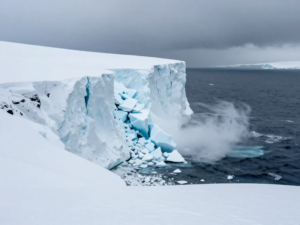
The Arctic is undergoing major environmental changes. Rising temperatures have contributed to reductions in sea ice, changes in snow conditions, thawing permafrost, and shifts in wildlife habitats.
These changes can affect animals that depend on particular ice and snow conditions. They can also create challenges for Arctic communities, especially where traditional transportation, hunting, fishing, or infrastructure depends on predictable environmental conditions.
The Arctic’s changes matter beyond the region as well. Melting land ice contributes to global sea-level rise, while changes in snow and ice influence how much solar energy Earth reflects.
Protecting the Arctic
The Arctic’s natural environment is fragile, making conservation especially important. Protecting wildlife habitats, reducing pollution, monitoring sea ice, and supporting scientific research are all essential.
Responsible tourism can also make a difference. Visitors should follow local regulations, avoid disturbing wildlife, minimize waste, respect Indigenous communities, and choose environmentally responsible tour operators.
International cooperation is particularly important because Arctic ecosystems cross national boundaries and are connected to the wider global climate system.
Why the Arctic Circle Matters
The Arctic Circle is important for many reasons. It is a major center for climate research, a habitat for unique wildlife, and the homeland of diverse Indigenous communities.
It also provides scientists with valuable information about changes in Earth’s atmosphere, oceans, ice, and ecosystems. The region’s rapid environmental changes make continued research increasingly important.
For travelers, meanwhile, the Arctic offers experiences that are difficult to find elsewhere: walking beneath the midnight sun, watching whales in northern waters, traveling across snowy landscapes, or seeing the Northern Lights illuminate a dark winter sky.
✍️ Written by Vimal Bhagat
🌎 Sharing fresh news, trending stories & interesting updates from around the world.
💙 Read more: https://arcticcircle.us