The Frozen North Is Suddenly Becoming a Very Busy Place
August 15, 2026 — Arctic Circle is getting attention again, and this time the story is much bigger than ice and snow. I have been watching the latest reports, and the far north looks like a place that is quietly changing very fast. Ships are moving in greater numbers, new trade plans are appearing, and the old frozen world feels a little different now.
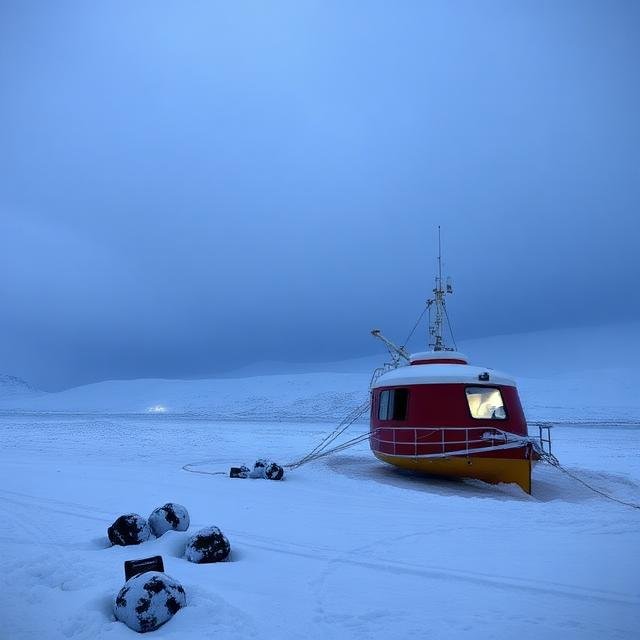
The strange part is, the Arctic Circle is still cold, wild, and hard to reach. But people are coming closer. Business is coming too. And yes, politics is following behind it.
I find this part very interesting because the Arctic is no longer only a place for scientists and explorers. It is becoming a serious place for shipping, tourism, energy, security and climate talks. The change is not one big event. It is many small things happening together.
One of the biggest stories right now is shipping. A Chinese company called Sea Legend has started a regular cargo service through the Arctic route. Reports say the service connects China with the United Kingdom through the Northern Sea Route along Russia’s northern coast. The new route could make some Asia-to-Europe journeys much shorter than traditional routes.
That sounds simple, but it is not.
The Arctic ocean does not behave like a normal shipping lane. Ice can move. Weather can turn bad. Rescue services are limited in many remote areas. Ships also need special planning and, in some conditions, ice-class equipment or icebreaker support.
Still, companies are watching the opportunity.
The new route has been described as the “Ice Silk Road.” The name sounds almost like a movie. But the business idea behind it is very real. The route can help ships avoid some traditional chokepoints and may reduce travel time between Asia and Europe.
I think this is where the Arctic Circle story becomes much more exciting.
Less ice is opening more water for longer parts of the year. That does not mean the Arctic has suddenly become easy to sail. It means the map of possible routes is changing.
The Arctic Council says 1,812 unique ships entered the Arctic Polar Code area during 2025. That was a 40 percent increase compared with 2013, when the council’s data collection began. More ships means more economic activity, but it also means more pressure on a very sensitive environment.
And here comes the awkward question.
Is this good news?
For shipping companies, maybe yes. For local economies, there can be new business. For some countries, Arctic routes can bring strategic value.
For nature, the answer is much harder.
The Arctic is already changing because of warming. The World Meteorological Organization and European climate agencies reported that Europe experienced major heat and climate extremes in 2025, with impacts reaching the Arctic. Their assessment also noted shrinking glaciers and declining snow cover.
There has been another unusual development this month too.
Reports have highlighted very high temperatures in northern Russia. Some areas near the Arctic Circle have experienced temperatures above 30°C during the early August heat. One report cited a reading of 33.9°C at Selagoncy on August 3, 2026.
For a region famous around the world for freezing weather, that number feels almost unbelievable.
But one hot day does not prove climate change by itself. Weather can jump around. The bigger story is the long-term trend.
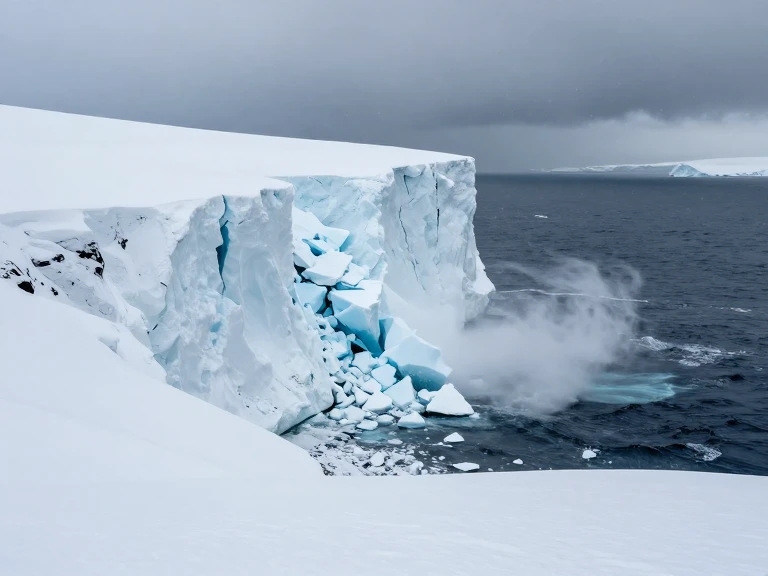
Scientists have repeatedly warned that the Arctic is warming faster than the global average. Ice loss, changing snow, melting permafrost and shifting ecosystems are already creating problems for communities and wildlife.
There is also a political story hiding inside the climate story.
On August 12, reports said the U.S. administration had withdrawn its support for the annual Arctic Report Card, a long-running NOAA assessment of Arctic conditions. The report has tracked changes in Arctic temperature, sea ice, glaciers, permafrost and ecosystems for many years. NOAA said data collection would continue, but the federal government would no longer coordinate the report in the same way.
That move has worried scientists.
Why?
Because the Arctic is not just about the Arctic.
What happens in the far north can influence weather, oceans and climate patterns much farther south. So a change there can become somebody else’s problem later.
Then there is tourism.
People still dream about seeing the Arctic with their own eyes. Some want to see polar bears. Some want the Northern Lights. Others simply want to stand somewhere that feels like the end of the world.
In 2026, only two scheduled departures were expected to take tourists toward the North Pole aboard Russia’s nuclear-powered icebreakers, with just over 200 tourists expected to make the journey. In 2025, 248 tourists completed that type of trip.
That makes such travel feel very rare.
I would not call the Arctic a normal holiday destination. It is expensive, difficult and risky. But that is also what makes people curious.
The Arctic Circle is becoming a strange meeting point.
Scientists want data.
Tourists want adventure.
Companies want shorter routes.
Governments want influence.
Local communities want jobs and protection.
Environmental groups want less damage.
Everybody wants something from the same cold place.
And that is where the gossip around the Arctic becomes bigger than simple travel news.
The region is attracting global attention because it has resources too. Oil, gas, minerals, fisheries and possible shipping routes all make the far north economically important. At the same time, the region has Indigenous communities whose lives and cultures are directly connected to the land and sea.
Recent cultural events have also shown how Arctic communities are using music and language to protect identity. In Vadsø, Norway, Ume Sámi artist Katarina Barruk has been leading a major concert focused on the Ume Sámi language and culture.
That side of the story can easily get lost.
When people talk about the Arctic, they often talk about icebreakers, maps and money. But people live there too.
Their homes are there.
Their history is there.
Their languages are there.
And the changing climate affects their daily lives first.
Shipping brings another concern. More ships can mean more noise, emissions, accidents and disturbance for marine life. Arctic waters are difficult places to clean after an accident. Cold temperatures and remoteness can make emergency work much harder.
The Arctic Council’s shipping numbers show why this matters. Traffic is growing, and the region needs rules that can keep pace with it.
Some people see the Northern Sea Route as the next big global trade lane.
Others say that idea is being oversold.
The Financial Times reported that Arctic shipping still faces serious problems, including unpredictable seasonal conditions, geopolitical tension, sanctions and limited infrastructure. The route may work for selected services, but that does not mean it can quickly replace major global shipping routes.
So the truth is somewhere in the middle.
The Arctic is opening.
But it is not wide open.
The Arctic Circle is changing, but not overnight. It is more like a slow door opening.
And behind that door there is a huge amount of money, politics, science and environmental risk.
There is also another important event coming later this year.
The 2026 Arctic Circle Assembly is scheduled for October 8–10 in Reykjavík, Iceland. Organizers expect around 2,500 participants from more than 70 countries. The event will bring together governments, scientists, businesses, Indigenous representatives and other Arctic stakeholders.
That meeting could become an important place for arguments about what happens next.
More shipping?
More tourism?
More environmental rules?
More international cooperation?
Or more competition?
Nobody can fully predict it.
But one thing seems clear to me.
The old image of the Arctic as an empty white world is disappearing.
There are ships now.
There are tourists.
There are companies.
There are military interests.
There are scientists.
And there are communities watching all of it.
The biggest surprise may be that the Arctic story is no longer happening far away from the rest of the world. It is slowly becoming part of the world’s everyday economic and political conversation.
And maybe that is the real Arctic Circle gossip.
The frozen north is not sitting still anymore.
It is moving.
It is warming.
It is attracting ships.
It is attracting money.
And everyone seems to be looking north.
✍️ Written by Vimal Bhagat
🌎 Sharing fresh news, trending stories & interesting updates from around the world.
💙 Read more: https://arcticcircle.us